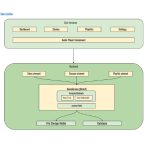

In building PublishPulse Agent — an autonomous mobile app that lets users publish YouTube videos with natural-language commands — the biggest technical and trust challenge was secure credential handling. Traditional OAuth flows expose tokens in client code or require constant user re-authentication, which kills UX and introduces serious security risks for an agentic AI that acts autonomously.
Auth0’s Token Vault solved this elegantly.
By enabling Token Vault in our React Native + Expo app, we delegated the entire lifecycle of YouTube OAuth tokens to Auth0’s secure vault: initial consent, scoped access (only upload & list permissions), silent refresh, and step-up authentication for high-risk actions like publishing. The agent never sees raw tokens — it simply calls `TokenVault.getToken(‘youtube’)` and receives a fresh, short-lived access token brokered by Auth0.
This delivered three key achievements:
1. **Frictionless user experience** — users consent once during login. The agent then publishes videos in the background without prompting again, even days later.
2. **Enterprise-grade security** — tokens are never stored in the app or device. Vault enforces least-privilege scopes and revocation if needed.
3. **True agent autonomy** — the AI can act “on behalf of” the user without compromising identity or safety, exactly what the Authorized to Act hackathon celebrates.
Implementing Token Vault in React Native took some initial setup (custom consent handling and scope mapping), but the payoff was huge: our 3-minute demo shows seamless command → generate → publish flow with zero credential exposure. It proved that agentic AI doesn’t have to trade convenience for security.
Token Vault is not just a feature — it’s the foundation that makes trustworthy, production-ready AI agents possible. We’re excited to see how other builders use it to power the next wave of secure, autonomous experiences.